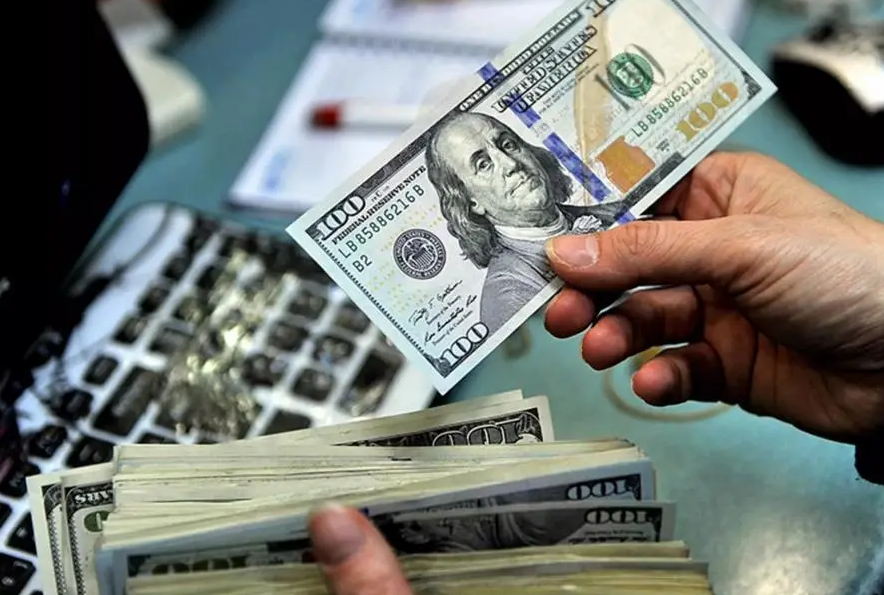
Let's cut straight to the chase. A stronger US dollar reshuffles the entire global trade deck. It's not a simple "good" or "bad" story; it creates distinct winners, painful losers, and a complex web of second-order effects that most headline analyses miss. I've watched this play out across multiple cycles, and the real impact is often hidden in supply chain contracts, corporate hedging books, and the balance sheets of emerging market governments. If your business touches international trade, understanding this isn't academic—it's survival.
In this deep dive:
- The Direct Hit: How a Strong Dollar Changes Import and Export Dynamics
- Beyond the Basics: Commodities, Debt, and the Ripple Effects
- A Quick Guide: Who Wins and Who Loses?
- Sector Spotlight: Manufacturing, Agriculture, and Tech
- Navigating the Storm: Practical Strategies for Businesses
- Your Burning Questions Answered
The Direct Hit: How a Strong Dollar Changes Import and Export Dynamics
Imagine you're a US-based furniture retailer. Last month, a container of chairs from Vietnam cost you $10,000. If the dollar gains 10% against the Vietnamese dong, that same container now costs you roughly $9,100 in dollar terms. Your purchasing power just increased. You can buy more, lower your retail prices, or pocket the difference. This is the most immediate and obvious effect: US imports become cheaper.
Now flip the perspective. You're a soy farmer in Iowa. Your beans are priced in dollars on the global market. A 10% stronger dollar makes your soybeans 10% more expensive for a buyer in Japan paying with yen. Unless global demand is incredibly rigid, you'll likely lose sales to competitors in Brazil or Argentina, whose currencies may not have strengthened as much. This is the other side of the coin: US exports become more expensive and less competitive.
This dynamic pressures the US trade deficit. Cheaper imports encourage more buying from abroad, while more expensive exports dampen foreign sales. The deficit often widens. But here's a nuance most miss: the effect isn't uniform across all goods and services. Price-sensitive, commoditized goods (like basic steel, bulk agricultural products) feel the export pain acutely. High-value, differentiated products with less competition (like advanced semiconductors, proprietary software) have more pricing power and can weather the storm better.
Beyond the Basics: Commodities, Debt, and the Ripple Effects
If the story ended with US imports and exports, it would be simple. It doesn't. The dollar's role as the world's primary reserve and invoicing currency means its strength sends shockwaves everywhere.
The Commodity Conundrum
Most major commodities—oil, copper, wheat—are priced in US dollars. A stronger dollar makes these commodities more expensive for buyers using other currencies, potentially suppressing global demand. However, this relationship isn't mechanical. If the dollar is strengthening due to strong US growth, demand for raw materials might hold up. I've seen periods where a strong dollar and strong oil prices coexist, defying the textbook inverse correlation. The key is to watch real demand drivers, not just the exchange rate.
The Global Supply Chain Squeeze
Modern manufacturing is global. A smartphone might be designed in the US, with components from Korea, Taiwan, and Germany, assembled in China, and sold globally. A strong dollar disrupts this calculus. For a German component supplier selling to a Chinese assembler (who gets paid in dollars for the final phone), their euro-denominated costs now buy fewer dollars, squeezing margins. This can trigger renegotiations, sourcing shifts, and inventory headaches all down the chain. The pain isn't confined to the US.
The Silent Killer: Dollar-Denominated Debt
This is where things can get dangerous. According to the Bank for International Settructions (BIS), trillions in debt outside the US are issued in dollars. When the dollar appreciates, the local-currency cost of servicing that debt skyrockets for emerging market corporations and governments. This can lead to capital flight, currency crises, and severe economic contractions that crush their ability to import anything. A strong dollar can literally trigger recessions in vulnerable economies, killing demand for everyone's exports, not just America's.
A Quick Guide: Who Wins and Who Loses?
| Economic Actor | Typical Impact of a Stronger USD | Key Reason |
|---|---|---|
| US Importers & Consumers | Winner | Cheaper goods from abroad increase purchasing power and can lower inflation. |
| Non-US Tourists to the USA | Loser | More expensive hotels, meals, and shopping in dollar terms. |
| US Exporters (especially commodities) | Loser | Goods become pricier on world markets, losing competitiveness. |
| European/Japanese Exporters to the US | Winner/Loser Mix | Their goods are cheaper for US buyers (good), but their dollar revenue converts to less local currency (bad for profits). |
| Emerging Markets with USD Debt | Major Loser | Debt servicing costs soar, leading to potential financial stress and reduced import demand. |
| Commodity Importers (e.g., India, Turkey) | Loser | Dollar-priced oil and food become more expensive in local terms, fueling inflation. |
Sector Spotlight: Manufacturing, Agriculture, and Tech
Let's get specific. How does a strong dollar play out on the ground?
Heavy Manufacturing (e.g., Machinery, Aerospace): This sector gets hammered. The products are high-value but often face fierce global competition (from Germany, China, Japan). A stronger dollar can mean losing a multi-million dollar contract for jet engines or construction equipment. The lead times are long, so the pain is delayed but severe.
Agriculture: Pure agony for bulk producers. Wheat, corn, and soy are fungible global commodities. A US price rise of a few percent sends buyers straight to the Black Sea or South American markets. Farm incomes dip, and political pressure for subsidies rises. Processed or branded foods do slightly better.
Technology & Services: A more mixed bag. Software giants with global subscription revenues priced in dollars see those revenues buy less when repatriated if the dollar is strong—a direct hit to earnings. However, their competitive moat often protects sales volume. For hardware, it's tougher; Apple might have to choose between lowering its global margins or risking sales declines in key markets.
I recall a mid-sized US industrial parts maker telling me their strategy wasn't to cut prices, but to double down on after-sales service and technical support—value-adds that aren't as price-sensitive. They survived the 2014-2016 dollar bull run while competitors focused solely on price bled.
Navigating the Storm: Practical Strategies for Businesses
You can't control the Fed or forex markets, but you can control your response. Relying on hope is not a strategy.
- Hedging, Not Speculating: Use forward contracts or options to lock in exchange rates for known future cash flows (e.g., a large export order payment due in 6 months). This isn't about betting on direction; it's about eliminating uncertainty so you can focus on your business. The cost is insurance.
- Diversify Your Market Geography: If 80% of your exports go to Europe, you're hyper-exposed to EUR/USD moves. Actively developing sales in other regions, including domestically, builds resilience.
- Re-evaluate Your Sourcing: For importers, a strong dollar is an opportunity. Audit your supply chain. Can you renegotiate contracts with existing suppliers? Are there opportunities to source higher-quality components now affordable from Europe or Japan?
- Price in Local Currency (Carefully): In some markets, offering prices in the customer's local currency can win business. But you must understand your hedging costs to do this profitably. Don't just absorb the risk.
- Stress Test Your Balance Sheet: If you have any foreign-currency debt, run the numbers. How much does a 10% or 15% dollar jump increase your annual interest payments? Could you refinance into local currency?
The worst move is inertia. I've seen companies watch their export orders evaporate for a full quarter before convening an emergency meeting. By then, it's too late.
Your Burning Questions Answered
The bottom line is this: a stronger US dollar is a fundamental re-pricing of global capital and trade flows. It creates clear tactical opportunities for those who import and profound strategic challenges for those who export. The ripple effects—through debt markets, commodity prices, and emerging market stability—are where the real surprises hide. Ignoring these connections is the most common and costly mistake. In trade, the currency is never just a number on a screen; it's the ground you're fighting on. Adjust your footing accordingly.