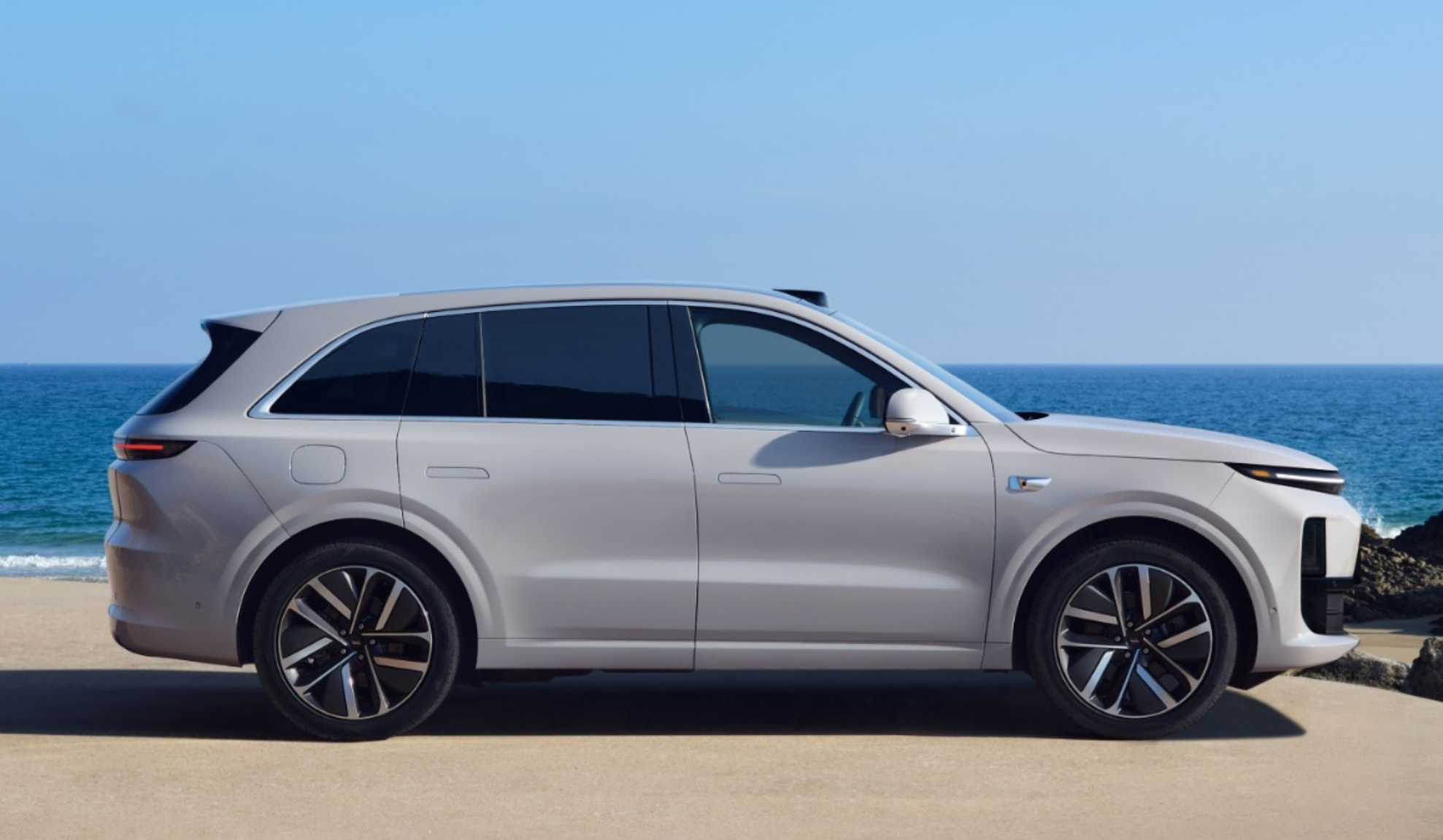
Let's cut to the chase. The question "Is Li Auto a good stock to buy?" is on the mind of every investor looking at the electric vehicle space. After tracking this company's journey from a niche player to a major force, I think the answer isn't a simple yes or no. It depends entirely on your investment horizon, risk tolerance, and how you weigh its unique strategy against the obvious pitfalls. Li Auto has executed brilliantly where others have stumbled, but the road ahead is getting crowded and the rules are changing. This analysis will break down what they're doing right, where the pressure points are, and what you need to watch before hitting the buy button.
What's Inside This Analysis
What Makes Li Auto Stand Out?
Most EV startups try to be the next Tesla – pure electric, performance-focused, tech-heavy. Li Auto took a detour, and it's a detour that has printed money. Their core advantage is the Extended-Range Electric Vehicle (EREV) system. Think of it as an electric car with a small gasoline generator on board. The wheels are always driven by electric motors, giving you that smooth, instant EV feel. But when the battery runs low, the generator kicks in to recharge it, eliminating range anxiety completely.
This wasn't just a technological choice; it was a razor-sharp product-market fit strategy. They targeted the premium family SUV segment in China. These buyers often take long road trips during holidays, where charging infrastructure, especially for a large family vehicle, can be a nightmare. Li Auto solved that pain point before it even became one for the customer.
The Non-Consensus View: Many analysts dismiss EREV as a transitional technology. Having spoken to dozens of Li Auto owners, I see it differently. For the Chinese family user, it's not a compromise; it's the ultimate solution. It provides 95% of the EV benefits with 0% of the long-distance hassle. The market's underestimation of this psychological comfort is Li Auto's secret weapon.
Their product execution is the other half of the story. While others flood the market with concepts, Li Auto has focused on a "family hub" philosophy. Their Li L-series models (L7, L8, L9) are essentially mobile living rooms. Massive screens, refrigerator-warmers, premium sound systems, and seating comfort that shames many luxury sedans. They sell an experience, not just a car. This focus has allowed them to command premium prices and build a fiercely loyal customer base that acts as a sales force.
Execution Over Hype: A Look at the Numbers
Talking about execution is cheap. Let's look at what it actually means. While peers were burning cash and missing targets, Li Auto consistently hit and raised its delivery guidance. They achieved profitability far earlier than Nio or Xpeng. This operational discipline stems from a leaner approach. They've avoided the astronomical spending on battery swapping infrastructure (like Nio) or flying car moonshots. Every dollar seems geared towards refining their core family SUV offering.
| Competitive Focus Area | Li Auto's Approach | Result for Investors |
|---|---|---|
| Technology Path | EREV (Extended-Range Electric Vehicle) | Lower immediate infrastructure dependency, faster market adoption in its segment. |
| Target Customer | Premium Family (30-50 year olds with children) | High customer loyalty, predictable upgrade cycle, willingness to pay for premium features. |
| Product Strategy | "Family Hub" focused SUVs (L-Series) | Clear brand identity, economies of scale, reduced R&D sprawl. |
| Operational Focus | Profitability and positive free cash flow | Financial resilience, less dilution risk for shareholders, self-sustaining growth. |
A Deep Dive into Li Auto's Financial Health
This is where Li Auto stock starts to look interesting from a fundamental perspective. Let's be blunt – most EV companies are cash furnaces. Li Auto has managed to light a sustainable fire.
The most telling metric is gross margin. For several quarters, Li Auto maintained vehicle gross margins above 20%, rivaling Tesla and far exceeding other Chinese EV startups. This isn't luck. It's a combination of premium pricing power, tight supply chain management, and the cost structure of their EREV system (which, contrary to belief, can be cheaper initially than a massive pure-EV battery pack).
They've been consistently free cash flow positive. This means the business is generating more cash than it's burning, allowing it to fund its own expansion without constantly going back to the market to raise money (which dilutes existing shareholders). Their balance sheet is strong, with a hefty war chest of cash and equivalents. This provides a crucial buffer against economic downturns or unexpected market shocks.
However, a note of caution I've observed from recent quarters. As competition heats up, they've engaged in some price promotions. This, coupled with the launch phase costs for their new pure-electric models (the Mega MPV and upcoming models), has put some pressure on those stellar margins. It's a trend to monitor closely. The shift from the high-margin EREV era to a more mixed portfolio could change the profitability profile.
What Are the Key Risks for Li Auto Investors?
No investment is a sure thing, and ignoring Li Auto's risks is a recipe for disappointment. Let's talk about the elephants in the room.
The Pure-Electric Transition: This is the biggest strategic pivot. Li Auto built its empire on EREV. Now, the market and government policies are pushing hard towards pure Battery Electric Vehicles (BEVs). Li Auto has launched its first BEV, the Mega MPV, and plans more. This is uncharted territory. They are entering a far more crowded segment (BEVs) where competition with BYD, Tesla, Nio, and others is brutal. Their brand identity as the "no-range-anxiety" company gets diluted. Can they differentiate their pure electric cars as effectively?
Intensifying Competition: The premium family SUV space is no longer a secret. Everyone wants a piece. BYD's Denza and Yangwang brands are coming up fast. Traditional automakers are launching competitive plug-in hybrids. The moat that EREV provided is slowly being crossed by others. Future growth will depend on winning head-to-head battles on brand, technology, and cost, not just having a unique powertrain.
Regulatory and Macro Risks: Li Auto is a Chinese company listed overseas. It sits at the intersection of several complex risk factors. Changes in Chinese EV subsidy policies, trade tensions affecting supply chains, or broader macroeconomic slowdowns in China can all impact sales. Furthermore, as a stock listed on U.S. exchanges, it is subject to the political and auditing controversies that have plagued other Chinese ADRs.
Future Growth: Catalysts and Challenges
So, where does growth come from if the core market gets tougher? Li Auto is betting on a few key moves.
First, product portfolio expansion. The L-series family SUVs will be refreshed, but the real growth lever is the new pure-electric lineup. Success here is non-negotiable. Second, technological deepening. They are investing heavily in advanced driver-assistance systems (ADAS) and smart cockpit features. In the Chinese market, where software and smart features are a major selling point, lagging here is not an option.
A potential wildcard is international expansion. While still in early stages (starting in the Middle East), moving beyond China is a long-term growth necessity. However, this brings a new set of challenges: building brand recognition from scratch, adapting to different regulations, and establishing local service networks. It's a costly and risky endeavor that has tripped up many automakers.
The challenge I see is that these growth avenues require massive spending (R&D for BEVs and new tech, capex for international expansion) just as competitive pressures are squeezing margins. The era of easily harvesting high profits from a single, perfectly tailored product line is likely over.
A Framework for Your Investment Decision
Instead of giving a generic buy/sell/hold, let me suggest how to think about it.
For the Conservative, Long-Term Investor: If you believe in the management's ability to navigate the BEV transition without destroying profitability, and you have a high tolerance for China-related macro risks, Li Auto could be a core holding. Its operational excellence and strong balance sheet are major pluses. Wait for a clearer sign that their BEV models are gaining traction before going all in.
For the Growth-Oriented Investor: The hyper-growth phase from 2022-2023 might be behind it. Future returns will likely be more modest and tied to successful execution of their new phases. The stock may be more volatile as it swings between optimism over new launches and fear over margin compression.
My Personal Take: Having followed this sector for years, I'm impressed by Li Auto's execution but concerned about the timing of their BEV push. The market is becoming saturated. I would want to see at least two quarters of solid delivery numbers and stabilized margins for their new pure-electric models before considering it a "must-buy." Right now, it's a "watch closely" stock with excellent management but facing its toughest test yet.
Don't just look at the stock chart. Watch the monthly delivery numbers from the China Passenger Car Association, listen to the management commentary on margin trends during earnings calls, and track the reception of their new BEV models in automotive reviews and owner forums. These are the real-time indicators that matter more than any analyst's price target.
Your Li Auto Investment Questions Answered
This analysis is based on publicly available financial reports, industry data from sources like the China Passenger Car Association, and ongoing market observation. It represents a synthesis of fundamental analysis and market sentiment, intended for informational purposes.